
Credit: NASA/GSFC/Solar Dynamics Observatory, public domain.
1 of 11
The Sun
The Sun is our neighborhood's fusion reactor‐burning 600 million tons of hydrogen a second. It powers every breeze, leaf, and life form on Earth. One day it'll swell and vaporize our planet, but until then, it's doing stellar work.
Credit: NASA/Johns Hopkins University Applied Physics Laboratory/Carnegie Institution of Washington, public domain.
2 of 11
Mercury
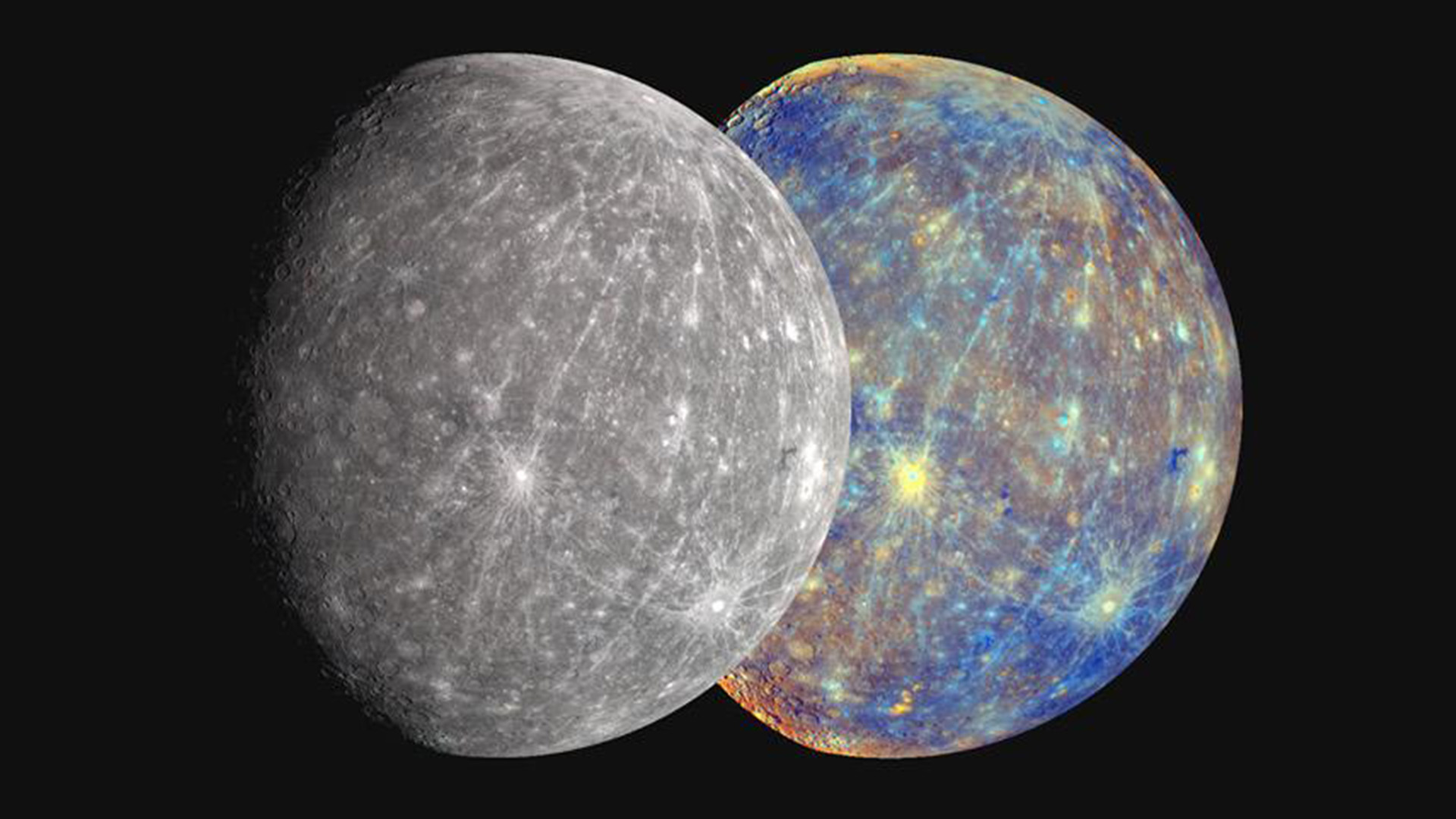
A tiny metal world cooked by the Sun on one side and frozen solid on the other. Mercury orbits the Sun in just 88 days. This image shows two different views of Mercury. The one on the left is what you'd see with your eyes. On the right, the image is color coded to show the different mineral structures on the planet.
Credit: NASA, public domain.
3 of 11
Venus
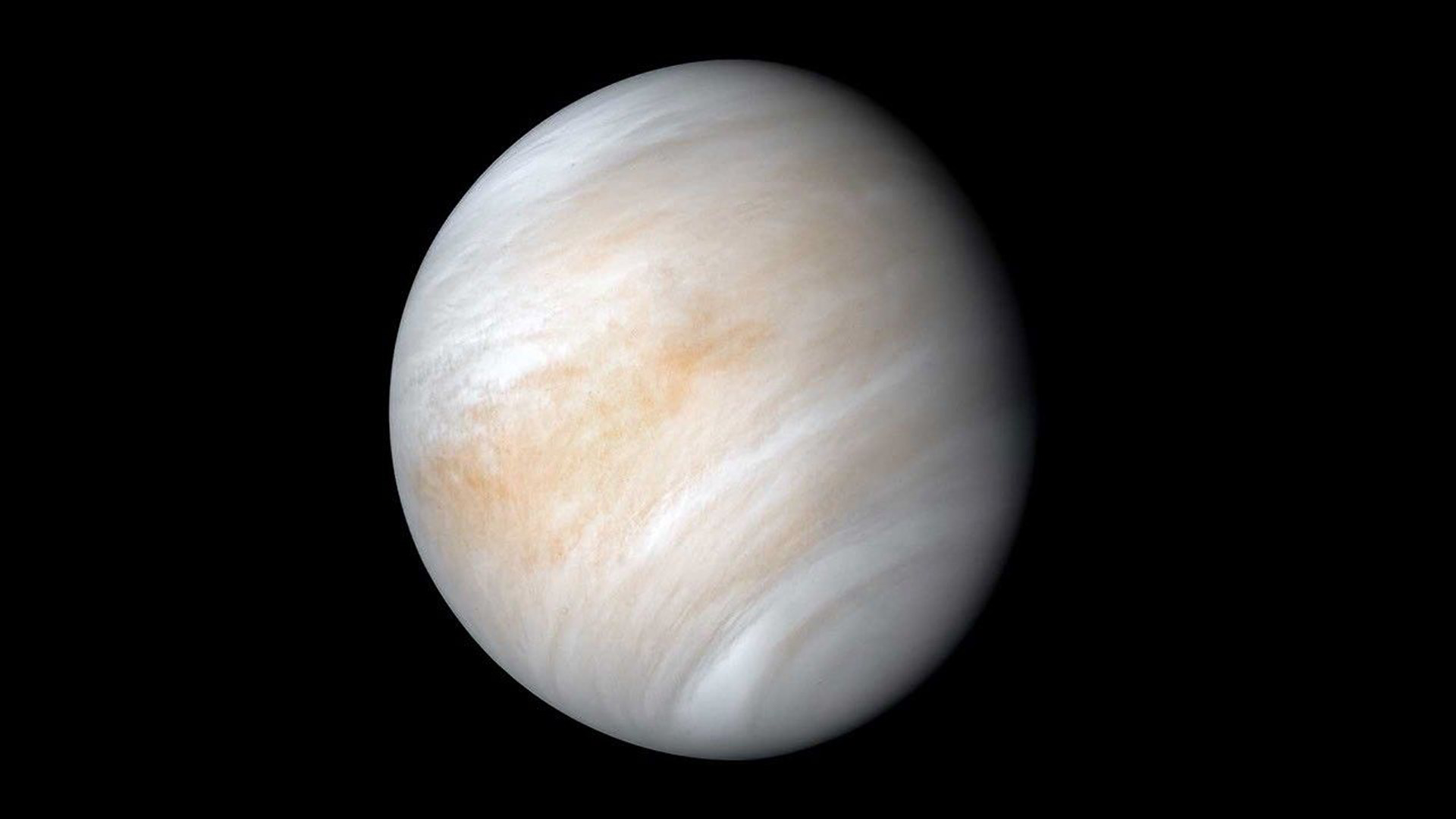
Earth's twin, if Earth lived in a pressure cooker full of acid clouds. Similar size and ingredients, but a totally different outcome, thanks to a runaway greenhouse effect.
Credit: NASA's Earth Polychromatic Imaging Camera (EPIC) NOAA's Deep Space Climate Observatory (DSCOVR), public domain.
4 of 11
Earth
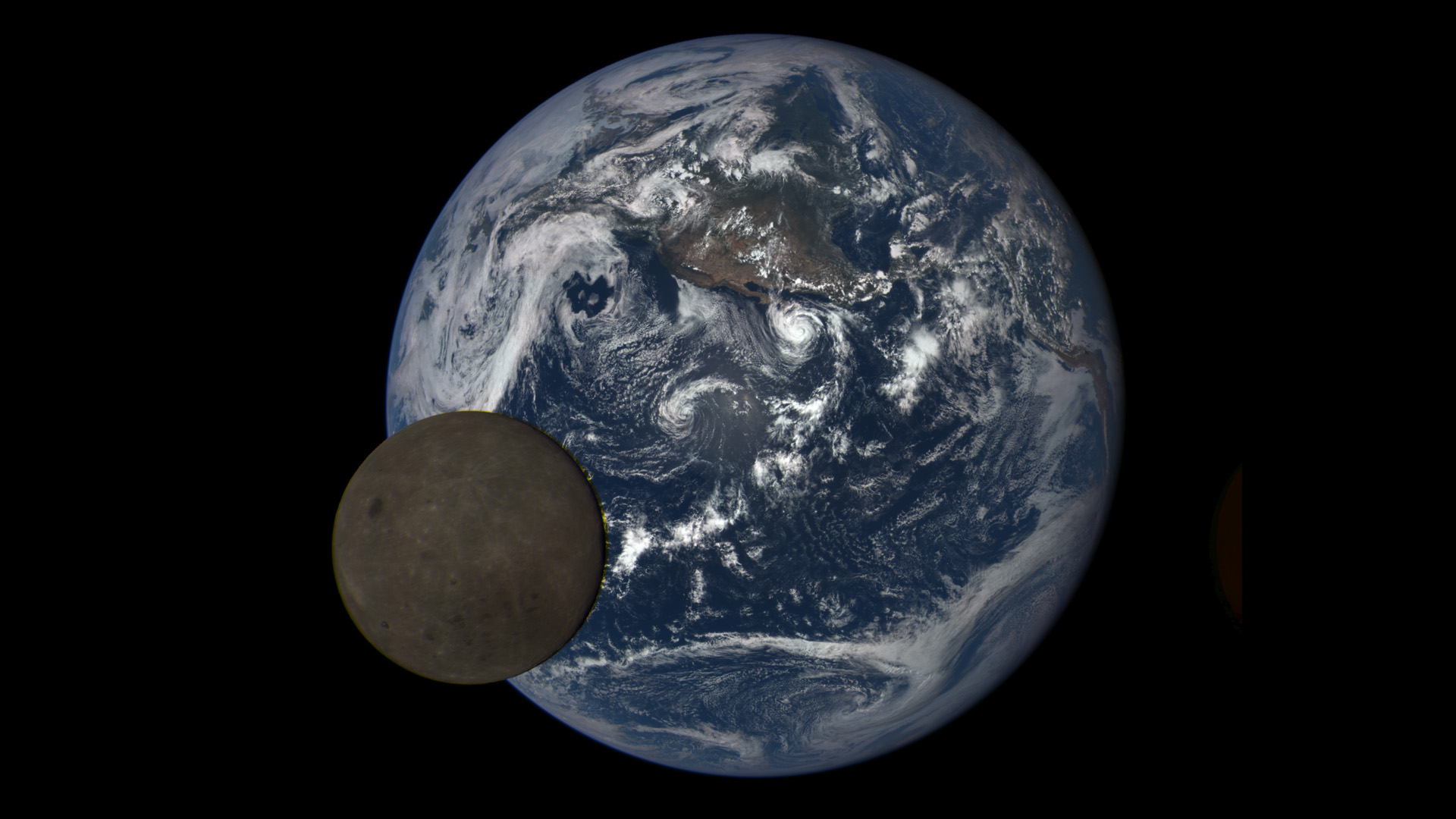
The only planet in the whole Solar System with liquid oceans, life, and Wi-Fi. Our home is an improbable cosmic accident. And as far as we know, it's unique.
Credit: NASA/JPL-Caltech/ASU/MSSS, public domain.
5 of 11
Mars
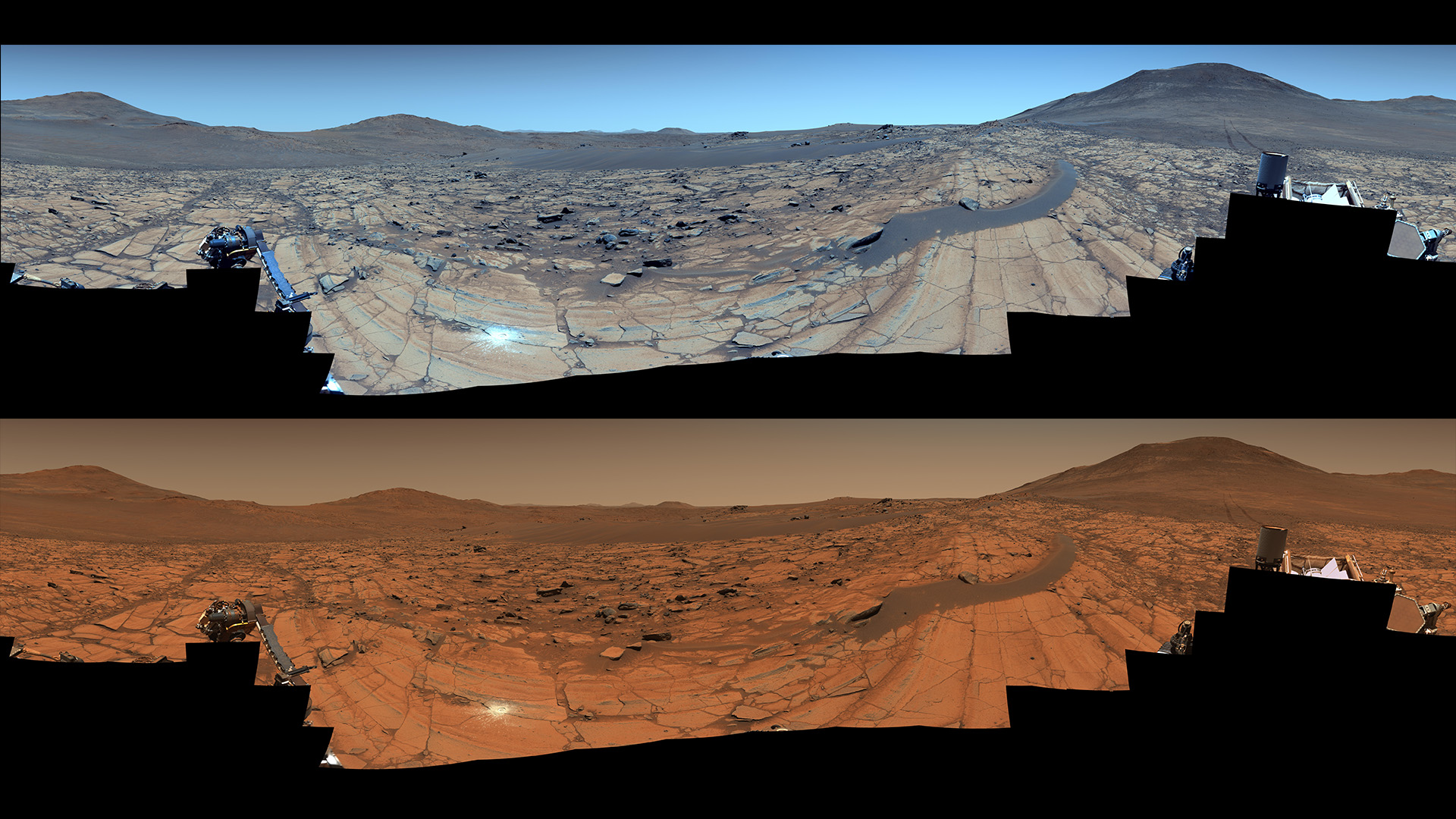
Two images of Mars: The one on top has been color-corrected so you can see the color variation in the rocks. Mars does not actually have a blue sky. Mars is cold, dusty, and a bit tragic. Once, it might have had rivers, oceans, and even life. Today, it's all about dirt, rocks, and robot selfies.
Credit: Enhanced image by Kevin M. Gill (CC-BY) based on images provided courtesy of NASA/JPL-Caltech/SwRI/MSSS.
6 of 11
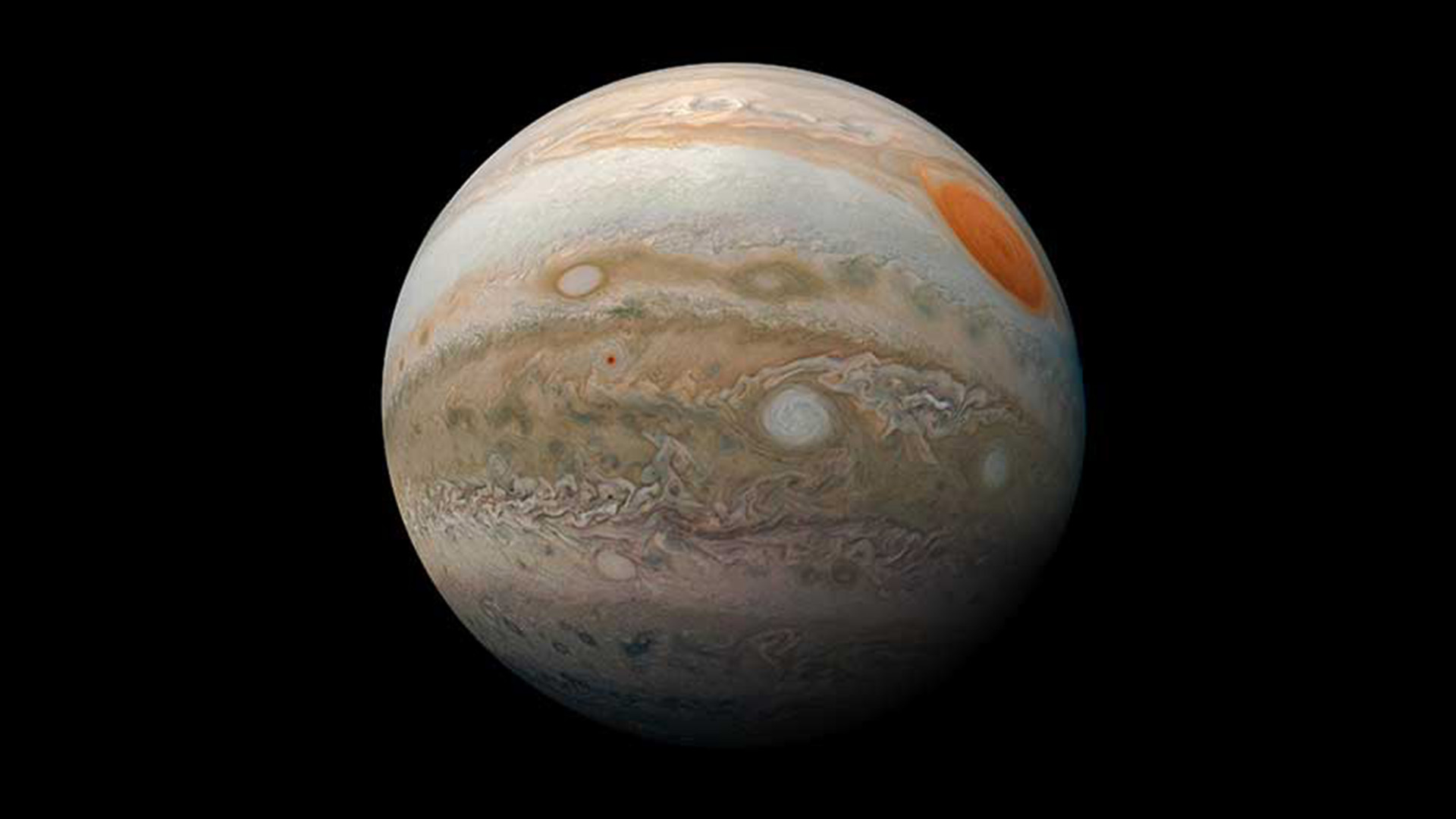
Jupiter
A gas giant so big that its mass is twice that of all the other planets, combined. Its Great Red Spot is a hurricane twice as wide as Earth that's been raging for centuries.
Credit: NASA, ESA, STScI, Amy Simon (NASA-GSFC), public domain.
7 of 11
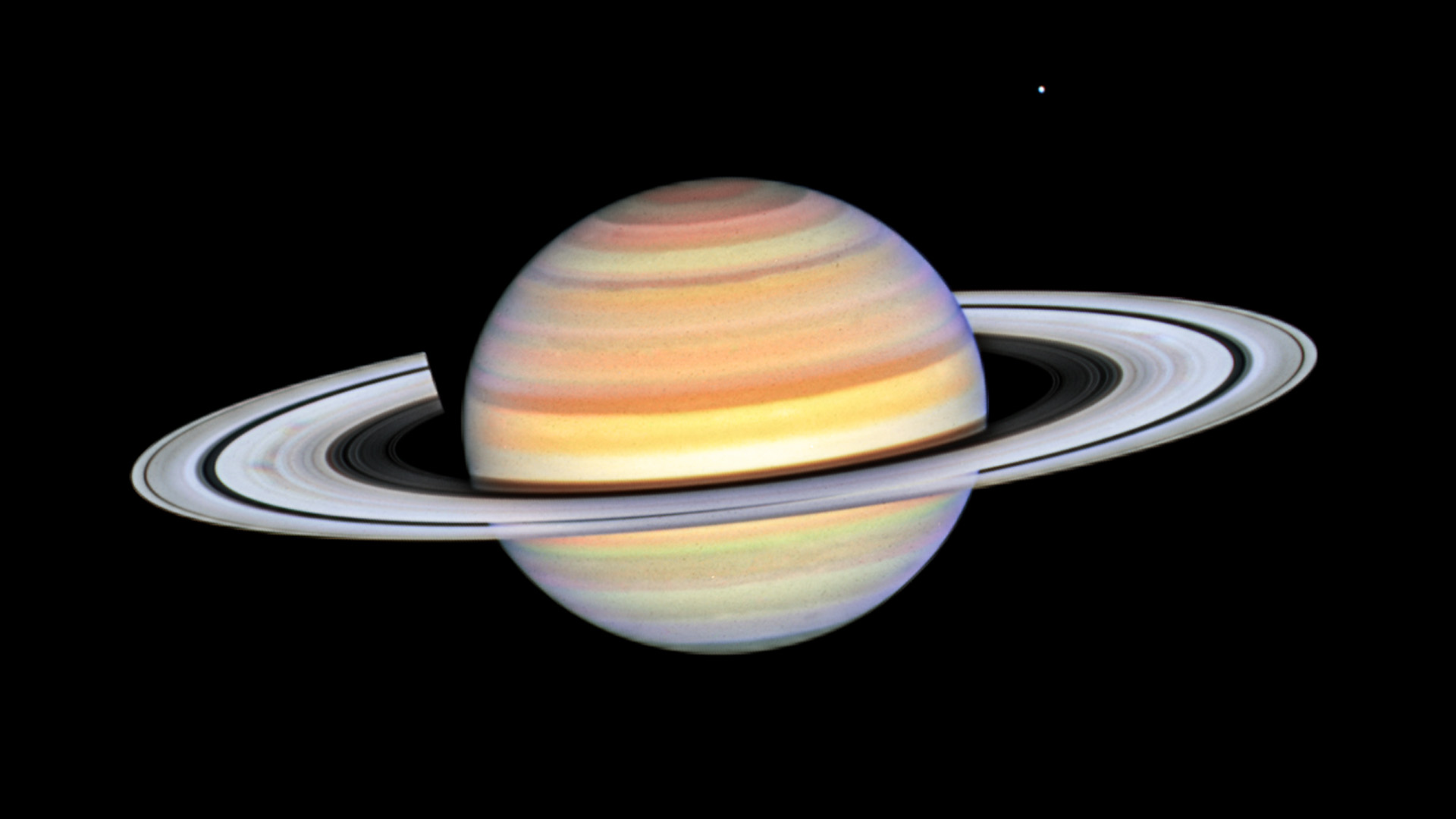
Saturn
What if a plant was really into accessories? Saturn's rings are made of billions of icy particles, and it has a weird hexagon-shaped jet stream at its north pole.
Credit: NASA, ESA, CSA, STScI; Image Processing: Joseph DePasquale (STScI), public domain.
8 of 11
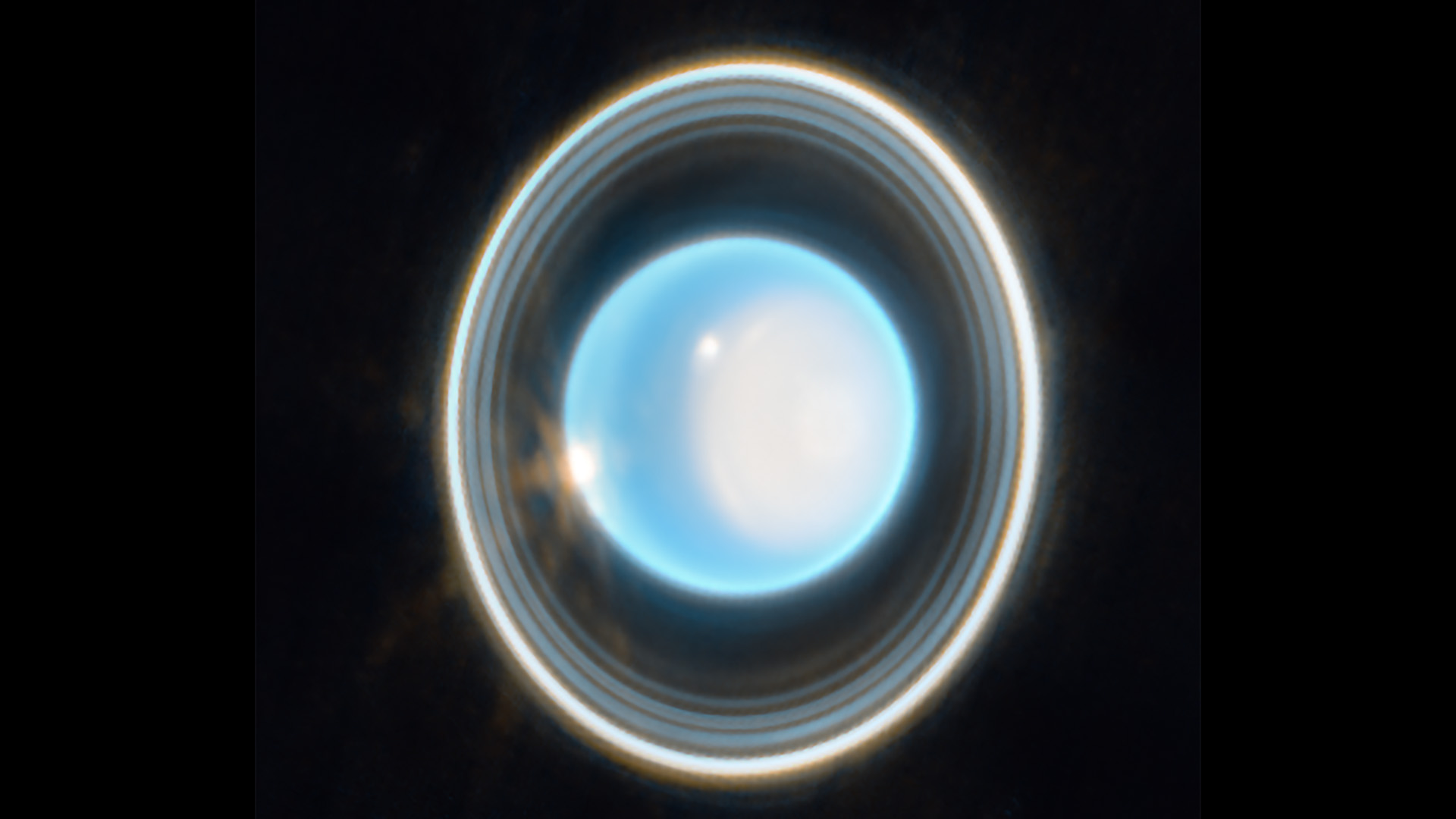
Uranus
Uranus is pretty. Cold, pale, and spinning on its side axis, its name still makes scientists giggle, which tells you all you need to know about humanity.
Credit: NASA, ESA, CSA, STScI; Image Processing: Joseph DePasquale (STScI), Naomi Rowe-Gurney (NASA-GSFC), public domain.
9 of 11
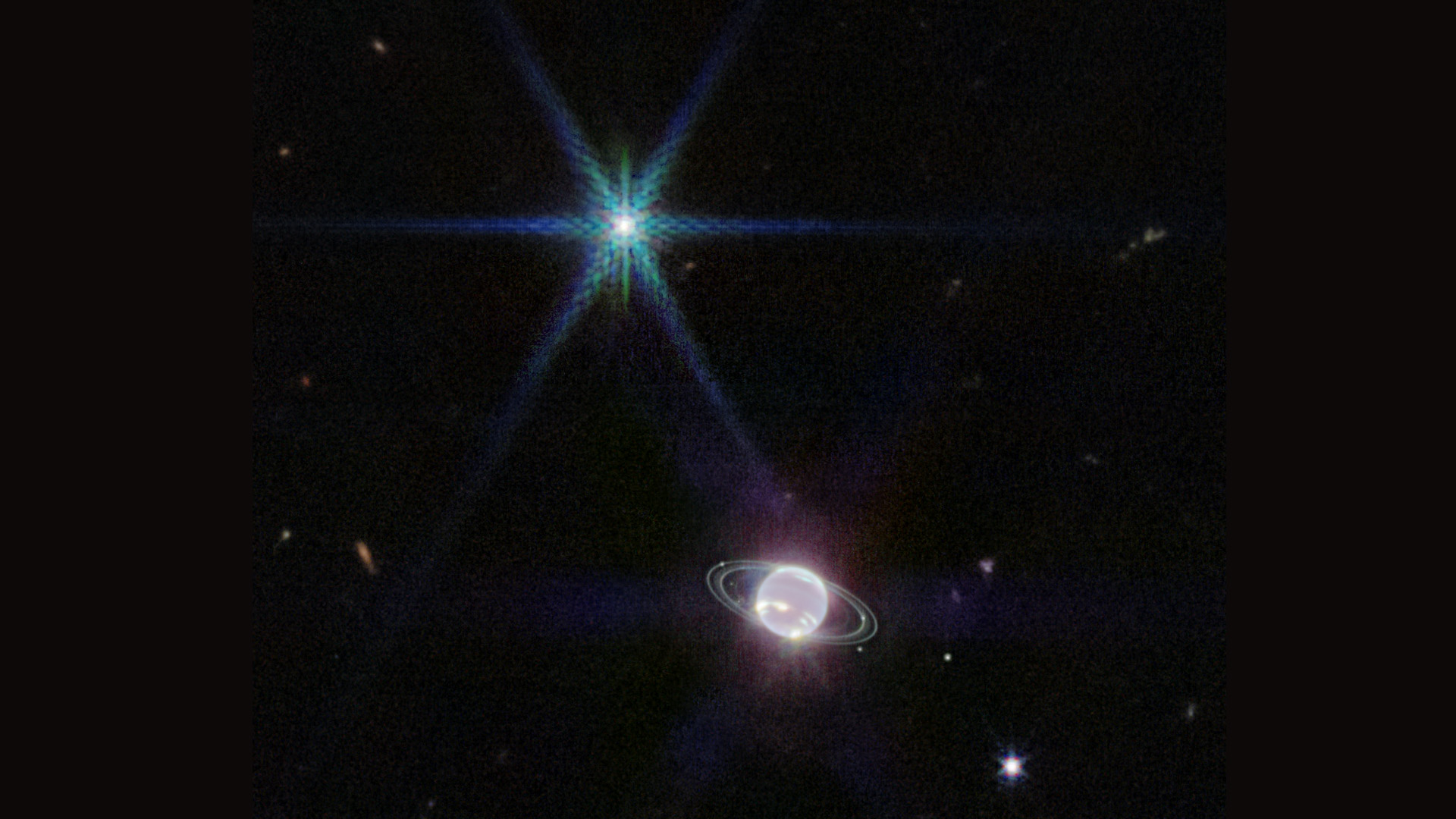
Neptune
This icy blue giant is the most distant planet. Neptune's winds rip across the planet at 1,200 mph. It takes 165 years for Neptune to orbit the Sun.
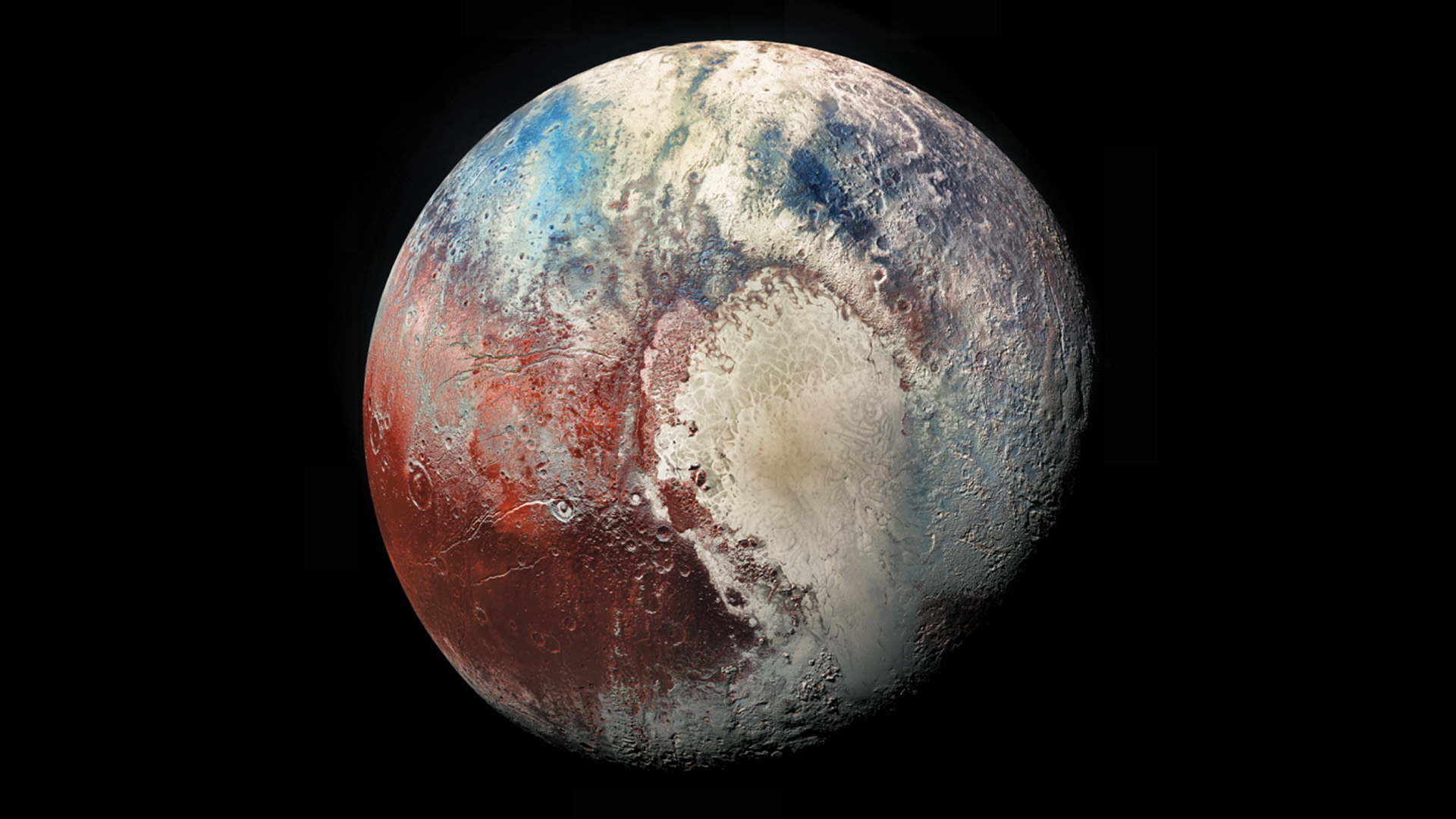
Credit: ASA/Johns Hopkins University Applied Physics Laboratory/Southwest Research Institute, public domain.
10 of 11
Pluto—a planet in our hearts
Demoted to a dwarf planet in 2006, Pluto is tiny and icy. According to the International Astronomical Union, "a dwarf planet is an object in orbit around the Sun that is large enough to pull itself into a nearly round shape but has not been able to clear its orbit of debris." Pluto qualifies as a dwarf planet because other objects cross its orbit.
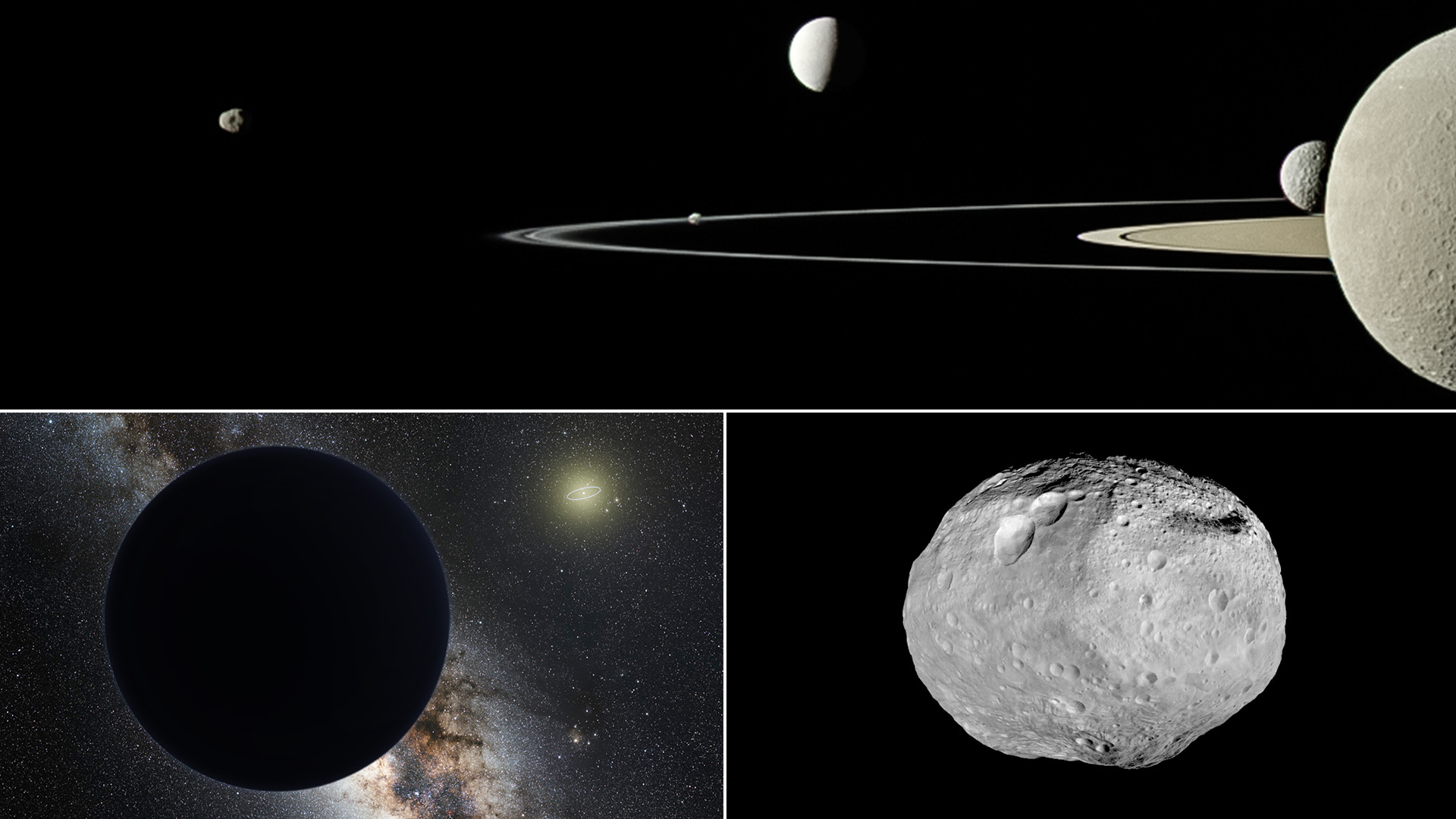
Credit: NASA, ESA, CSA, STScI, public domain.
11 of 11
And a bunch of other stuff
The Solar System is home to more than just planets. Hundreds of moons, like these five orbiting Saturn call the Solar System home. As do millions of asteroids, comets, and other objects. Some astronomers even speculate that there is a ninth, hidden planet orbiting our Sun in the far reaches of the outer Solar System.